As of December 16, 2025, the landscape for driver’s licenses and identification in the United States has shifted dramatically. The deadline for REAL ID enforcement passed earlier this year on May 7, 2025, and federal agencies are now strictly applying the new standards. While many drivers scrambled to update their cards before the summer deadline, millions are still holding onto “legacy” licenses.
This delay is now creating confusion and potential financial risks for travelers and drivers alike. Reports have surfaced of fines reaching up to $500 for specific license violations, and the Transportation Security Administration (TSA) has recently announced new fee structures for non-compliant travelers starting in early 2026. This guide cuts through the noise to explain exactly why your old license might be a liability, what the $500 fine really refers to, and how to ensure you are compliant before the new year.
Table of Contents
The REAL ID Deadline Has Passed
The full enforcement of the REAL ID Act is no longer a future event; it is the current reality. Since May 7, 2025, federal agencies have stopped accepting standard state driver’s licenses for official federal purposes. This includes entering secure federal buildings, accessing military bases, and most importantly, boarding domestic commercial flights.
If you are still holding a standard license that says “Federal Limits Apply” or lacks the star symbol, your ability to travel freely by air has already been restricted. While you may have navigated the last few months without issue, enforcement is becoming tighter as we approach the 2026 holiday travel season.
Clarifying the $500 Fine Rumors
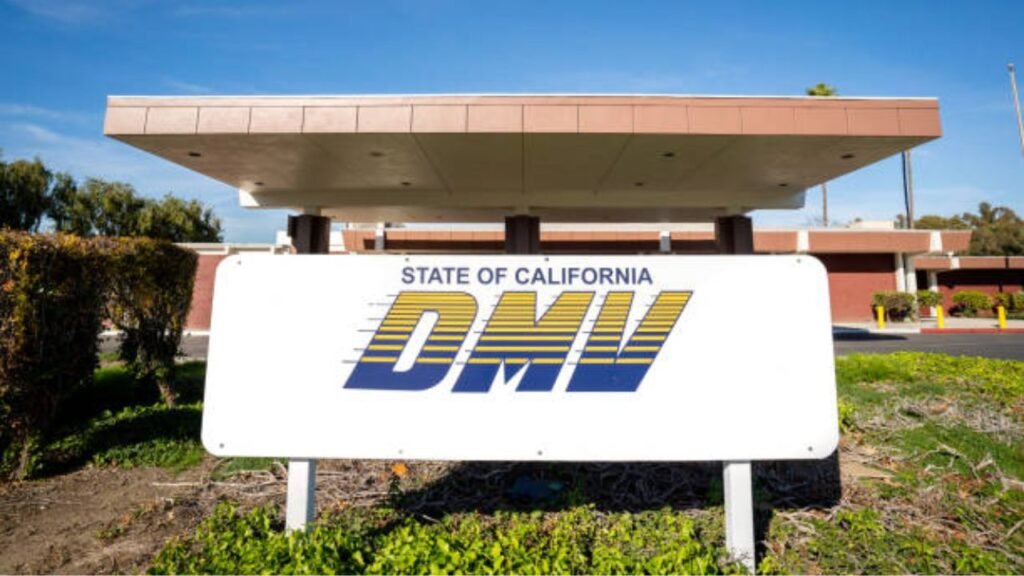
Headlines warning of a $500 fine have caused alarm among drivers, but it is crucial to understand the context. In most states, simply holding a non-REAL ID compliant license is not illegal, nor does it carry a fine if you are only using it to drive. Standard licenses remain valid for operating a vehicle and voting.
The $500 fine typically applies to drivers caught with an expired license. Because many drivers delayed their renewal appointments in 2025 hoping to skip long DMV lines, a significant number of people are unknowingly driving with expired credentials. In states like California, Florida, and New York, traffic citations for driving with an expired license can easily range from $250 to $500, especially if the expiration date is more than six months past.
Additionally, a new financial penalty is on the horizon for air travelers. On December 1, 2025, the TSA announced that starting February 1, 2026, travelers who show up to airport security without a REAL ID or passport may be subject to a new verification fee (reportedly around $45) to use alternative screening methods.
Standard License vs. REAL ID
It is vital to distinguish between a “Standard” license and a “REAL ID” to avoid travel disruptions.
- Standard License: Valid for driving, voting, and age verification at stores. It is not valid for boarding flights or entering federal facilities. It typically carries the notation “Not for Federal Identification.”
- REAL ID: Valid for all standard purposes plus federal use (flying, military bases). It is marked with a gold or black star in the corner.
How to Upgrade Your License Quickly
If you realized your license is expired or you need to upgrade to a REAL ID for upcoming travel, you must act immediately. Appointment slots are filling up fast as the new TSA fee approaches.
- Check Your Expiration Date: If your license is expired, stop driving immediately to avoid the traffic fines mentioned above.
- Gather Documents: You cannot upgrade to REAL ID online. You will need to visit a DMV office in person with specific physical documents: a certified birth certificate or passport, your Social Security card (or W-2), and two proofs of residency (utility bills, bank statements).
- Book an Appointment: Do not rely on walk-in availability. Visit your state’s DMV website to schedule a “REAL ID Upgrade” or “Renewal” appointment.
Key Documents Required for Upgrade
- Proof of Identity (Passport or Birth Certificate)
- Proof of Social Security Number (SSN Card or Tax Form)
- Two Proofs of Physical Address (Lease, Bill, or Statement)
- Proof of Name Change (Marriage Certificate or Divorce Decree, if applicable)
Comparison of License Types
The table below outlines the functional differences between the license you may currently have and the one you likely need.
| Feature | Standard “Old” License | REAL ID Compliant License |
| Visual Marker | “Federal Limits Apply” / No Star | Gold or Black Star |
| Driving Privileges | Valid (if unexpired) | Valid |
| Domestic Air Travel | Not Accepted | Accepted |
| Federal Building Access | Not Accepted | Accepted |
| Risk of Traffic Fines | None (unless expired) | None |