Reports are circulating this week regarding a new financial boost for American families just in time for the holidays. Information indicates that the Internal Revenue Service has moved forward with a one time payment of $2,000 intended to assist households with the rising cost of living. As of December 16, 2025, many residents are checking their bank accounts to see if these funds have arrived.
This payment is distinct from your annual tax refund. It is described as a standalone relief measure aimed at providing immediate liquidity to low and moderate income earners during the expensive winter months. Because the distribution is reportedly happening quickly, it is important to understand how the process works and whether you need to take action to receive your share.
Table of Contents
Understanding the Purpose of the $2,000 Payment
This financial initiative is being framed as a federal response to economic pressures like inflation. The goal is to put cash directly into the economy by supporting the consumers who need it most. Unlike a loan, this money does not need to be repaid. The amount is calculated based on the income information the government already has on file from your recent tax history.
The distribution method prioritizes speed. Direct deposit is the primary tool being used to transfer funds. This electronic method allows the Treasury to reach millions of households in a matter of days. For taxpayers who have not provided banking details, paper checks are the alternative, though they will take longer to arrive and process.
Who Is Eligible for the Relief Funds
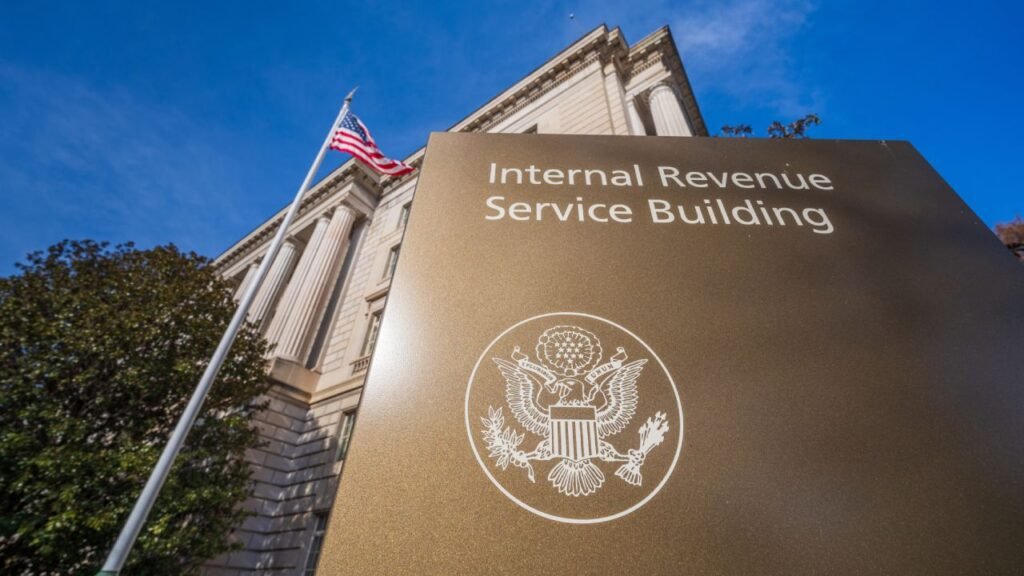
The criteria for this payment are tied to income levels and residency. The IRS will look at your 2024 tax return to determine if you qualify. To receive the full $2,000, your reported income must fall below specific limits. Generally, single filers earning under $75,000 and married couples earning under $150,000 are the main beneficiaries.
Beyond income, there are other standard requirements. Recipients must have a valid Social Security number and must have resided in the United States for a significant portion of 2025. The inclusion of dependents on your tax return can also play a role in the final determination of your household benefit. High earners who exceed the income caps will see reduced amounts or may not qualify at all.
Breakdown of the Payment Schedule
To handle the volume of payments, the disbursement is reportedly being managed in waves. The first wave of direct deposits was targeted for the second week of December. If you are an early filer with current banking information, you may have already seen activity in your account.
A second wave of digital transfers is expected to occur shortly after the first, covering those who were not processed in the initial batch. For individuals receiving paper checks, the timeline extends toward the end of the month. This means some households might receive their funds closer to the start of 2026.
Recommended Actions for Recipients
Most taxpayers do not need to do anything to receive this payment. If you have filed your taxes recently and your banking information has not changed, the process is automatic. However, if you have closed a bank account or moved to a new address since your last filing, you should update your information with the IRS immediately.
For individuals who are not required to file taxes due to low income, using the non filer tool is the critical step. Registering your details ensures the government knows where to send your payment. Taking a moment to verify your information is the best way to prevent unnecessary delays.
Summary of Payment Timelines
The table below organizes the expected schedule for the release of funds based on the method of payment.
| Payment Wave | Expected Dates | Distribution Method |
| Round 1 | Dec 9 to Dec 12, 2025 | Direct Deposit |
| Round 2 | Dec 16 to Dec 20, 2025 | Direct Deposit |
| Round 3 | Dec 22 to Dec 24, 2025 | Direct Deposit |
| Final Round | Dec 27 to Dec 31, 2025 | Paper Checks (Mail) |
Key Takeaways for Claimants
- Ensure your 2024 tax return was filed or you have used the non filer portal.
- Verify that your annual income is below the $75,000 or $150,000 thresholds for full benefits.
- Confirm that all family members listed have valid Social Security numbers.
- Check your bank account for pending deposits if you are in the first payment group.
- Watch your mail closely in late December if you do not use direct deposit.